Commercial Flat Roof Installation A Comprehensive Guide
Commercial flat roof installation is a critical aspect of building maintenance and construction. This guide delves into the essential elements, from selecting the right materials to implementing meticulous installation procedures and project management strategies.
We’ll explore various roofing materials, their lifespan, costs, and environmental impact. Understanding insulation types and waterproofing membranes is crucial, and we’ll cover their importance in ensuring a durable and functional roof. Installation procedures, safety measures, and project management considerations will also be examined in detail.
Flat Roof Installation Materials
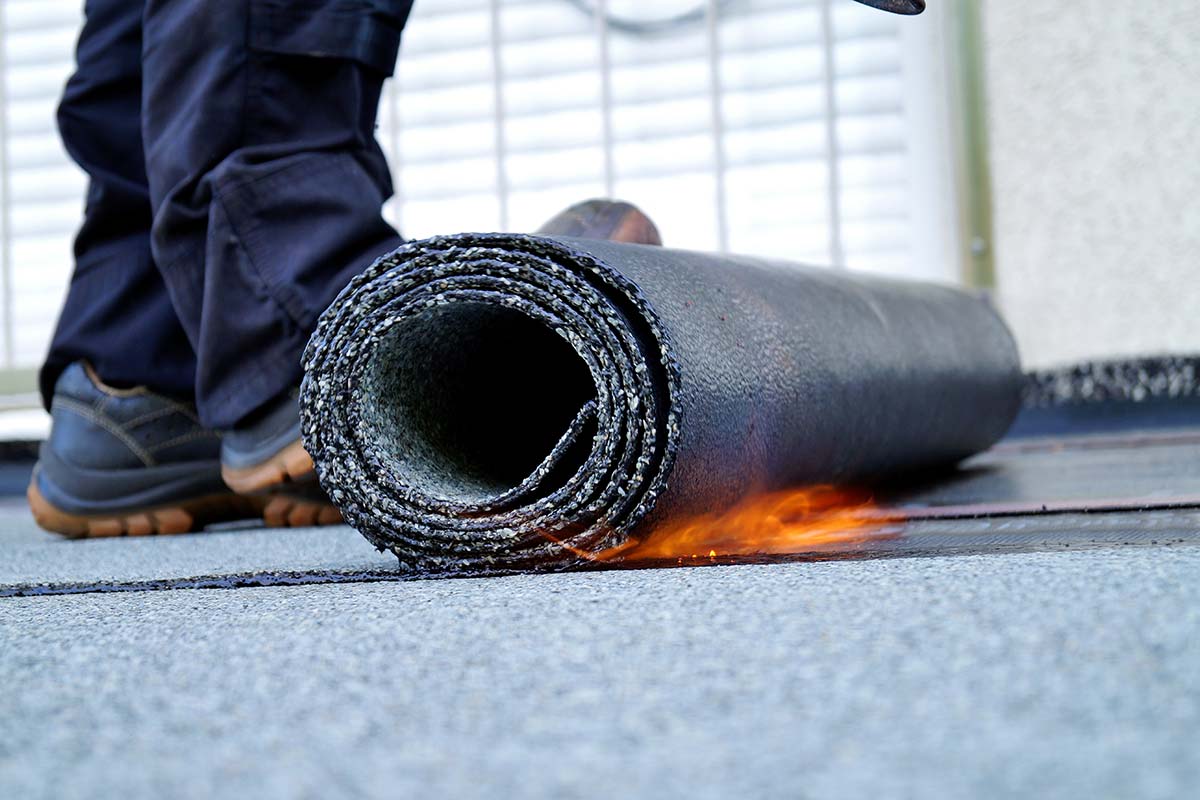
Commercial flat roofs are a critical component of many buildings, requiring careful consideration of materials and installation methods. Proper selection ensures longevity, efficiency, and adherence to building codes. This section explores the diverse range of materials used in commercial flat roof installations, detailing their respective strengths and weaknesses.
Roofing Materials Comparison
Different roofing materials offer varying levels of performance, impacting cost, durability, and maintenance. A comprehensive understanding of these factors allows for informed decisions regarding material selection.
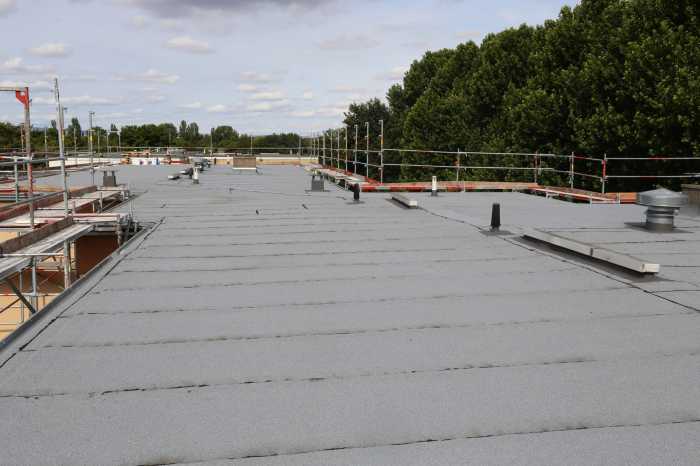
- Built-up Roofing (BUR): This method involves layering various roofing materials, including asphalt, felt, and gravel. BUR systems offer a relatively low initial cost, but their lifespan is shorter compared to other options. Maintenance often involves regular inspections and repairs. While readily available and easy to install, they may be less sustainable than other choices.
- Single-Ply Membranes (e.g., TPO, EPDM, PVC): These membranes are increasingly popular due to their longevity and resilience. They are typically more expensive upfront but offer superior durability and reduced maintenance requirements. TPO, EPDM, and PVC membranes possess excellent resistance to weathering and are well-suited for various climate conditions.
- Modified Bitumen Roofing: A popular choice, this material combines asphalt with polymers for improved flexibility and durability. Modified bitumen is a good mid-range option in terms of cost and performance, but requires careful application to prevent issues.
- Metal Roofing (e.g., Copper, Zinc, Aluminum): Metal roofing systems are renowned for their exceptional durability and longevity. They typically have a very long lifespan and require minimal maintenance. However, their initial cost is usually higher than other options, but the long-term savings can be substantial.
Insulation Types
Effective insulation is crucial for energy efficiency and thermal performance in commercial flat roofs. Different insulation types offer various levels of thermal resistance and moisture protection.
- Spray Foam Insulation: Spray foam insulation provides excellent thermal resistance and airtightness, reducing energy consumption and improving overall building efficiency. Its application is more complex and costly compared to other methods, but the long-term energy savings can be significant. Spray foam is particularly effective at reducing heat transfer.
- Rigid Foam Insulation (e.g., XPS, Polyiso): Rigid foam boards are a common insulation choice, offering good thermal performance and resistance to moisture. They are relatively easy to install, but their effectiveness depends on proper installation techniques.
- Fiberglass Insulation: Fiberglass batt insulation is a more affordable option, but may not offer the same level of thermal performance as spray foam or rigid foam. It’s crucial to ensure proper vapor barriers to prevent moisture issues.
Waterproofing Membranes
Waterproofing membranes are essential for protecting the roof from water damage. Their selection depends on factors such as climate, building design, and budget.
- Thermoplastic Polyolefin (TPO): TPO membranes are known for their resistance to UV rays and chemicals. They are often a good choice for durability and ease of installation. TPO membranes are commonly used in flat roofs due to their resilience to weather.
- Ethylene Propylene Diene Monomer (EPDM): EPDM membranes are known for their flexibility and resilience to punctures. Their long lifespan and ease of maintenance make them a popular choice for many commercial flat roofs. EPDM is highly resistant to ozone and weathering.
- Polyvinyl Chloride (PVC): PVC membranes are a more affordable option, offering good resistance to chemicals and punctures. They are suitable for specific applications but may have limitations in certain climate conditions.
Material Comparison Table
| Material | Lifespan (Years) | Cost | Environmental Impact |
|---|---|---|---|
| Built-up Roofing | 15-25 | Low | Moderate |
| Single-Ply Membranes | 25-50+ | Medium-High | Low-Medium |
| Modified Bitumen | 20-35 | Medium | Medium |
| Metal Roofing | 50-100+ | High | Low-Medium (depending on material) |
Installation Procedures and Techniques
Commercial flat roof installations demand meticulous attention to detail throughout the entire process. Proper execution ensures a durable, leak-proof roof that stands the test of time and environmental conditions. Following established procedures and techniques is crucial for achieving a high-quality installation.
Careful adherence to the steps involved in substrate preparation, insulation installation, and membrane application is vital. This comprehensive approach minimizes the risk of future issues, ensuring long-term roof performance and a cost-effective solution. Moreover, incorporating safety precautions and best practices protects workers and ensures the job is completed correctly.
Substrate Preparation
Thorough substrate preparation is fundamental to the longevity of a commercial flat roof. This involves inspecting the existing roof deck for any damage, such as cracks, holes, or loose materials. Areas of concern should be repaired or replaced to ensure a level, stable surface for the insulation and membrane. A clean and sound substrate provides a strong foundation for the roofing system. Cleaning the substrate is also crucial, ensuring that debris, dirt, or loose materials are removed to allow proper adhesion of the insulation and waterproofing membrane.
Insulation Installation, Commercial flat roof installation
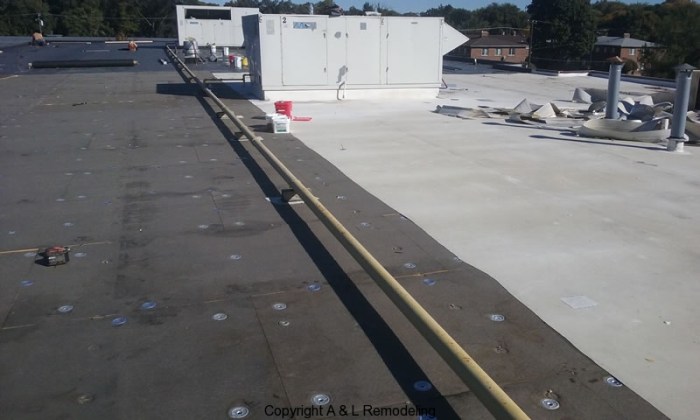
Selecting and installing appropriate insulation is vital for energy efficiency and thermal performance. Insulation material should be chosen based on the building’s specific needs and local climate conditions. The insulation is installed according to the manufacturer’s instructions, ensuring proper coverage and sealing. Correct insulation placement prevents thermal bridging, which can lead to energy loss and potential moisture issues.
Waterproofing Membrane Application
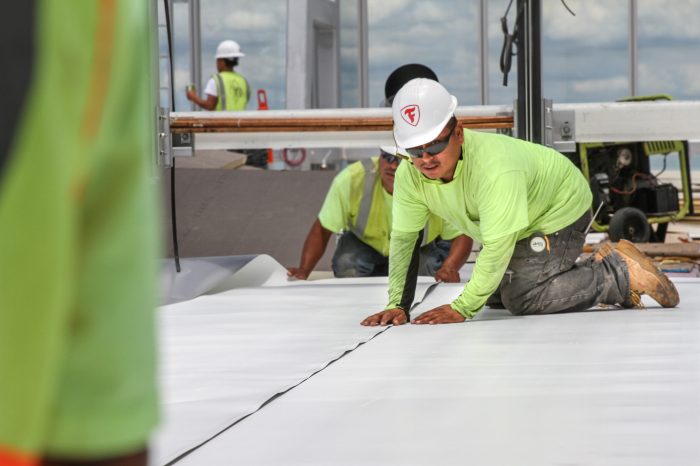
The waterproofing membrane is the final layer of protection against water infiltration. Application techniques vary depending on the specific membrane type, but generally involve careful spreading and sealing to ensure complete coverage and eliminate any gaps or overlaps. Proper sealing techniques, including using appropriate adhesives and sealants, are crucial to prevent leaks.
Flashing and Drain Installation
Proper installation of flashing and drains is essential for diverting water away from the roof. Flashing protects vulnerable areas, such as penetrations for pipes, vents, and other fixtures. Different methods exist for installing flashing, including using metal flashing, self-adhesive flashing, or specialized flashing tape. Ensuring a tight seal around these penetrations is critical to prevent water intrusion. Properly installed drains ensure efficient water runoff, preventing pooling and potential damage. Carefully consider the slope of the roof when installing drains to ensure proper water flow.
Safety Precautions and Best Practices
Safety is paramount during the installation process. Fall protection measures, such as safety harnesses and scaffolding, should be used whenever necessary to protect workers from falls. Proper handling of materials, including insulation and membrane rolls, is crucial to prevent injuries. Training workers on proper lifting techniques and material handling reduces the risk of accidents. Following established safety protocols and regulations is essential for maintaining a safe working environment.
Step-by-Step Guide for Commercial Flat Roof Installation
- Thoroughly inspect and prepare the existing roof deck, repairing or replacing damaged areas.
- Install insulation according to the manufacturer’s specifications, ensuring proper coverage and sealing to prevent thermal bridging.
- Carefully apply the waterproofing membrane, ensuring complete coverage and sealing all joints and seams to prevent leaks.
- Install flashing around penetrations, ensuring a watertight seal.
- Install and check drains to ensure proper water runoff.
- Conduct thorough quality checks to ensure the entire system is installed correctly and meets required standards.
Project Management and Considerations: Commercial Flat Roof Installation
Successfully installing a commercial flat roof requires meticulous planning and execution. A well-managed project considers various factors, from site specifics to potential challenges, ensuring a smooth process and a durable, functional roof. This section delves into crucial project management aspects for commercial flat roof installations.
Crucial Factors for Planning
Careful planning is paramount for a successful commercial flat roof installation. A comprehensive checklist helps manage the project effectively.
- Site Assessments: Thorough site assessments are vital for accurate material estimations, proper drainage design, and identification of potential obstacles. This involves reviewing existing infrastructure, identifying access points, and assessing the structural integrity of the existing roof. For instance, a site with significant slope variations might require specialized materials and installation techniques to ensure proper water runoff.
- Permits and Approvals: Obtaining necessary permits and approvals from local authorities is crucial. This ensures compliance with building codes and regulations. Delays in obtaining permits can significantly impact project timelines, so proactive communication with relevant authorities is essential.
- Project Timelines: Establishing realistic project timelines is critical. This includes considering material procurement, labor availability, and potential delays. A detailed schedule with milestones helps track progress and anticipate potential issues. For example, unforeseen weather conditions can impact installation timelines.
Common Challenges and Mitigation Strategies
Commercial flat roof installations present various challenges. Understanding these challenges and developing mitigation strategies is key to project success.
- Weather-Related Issues: Unpredictable weather conditions can disrupt installation schedules and potentially damage materials. Developing contingency plans for inclement weather is vital. For example, delaying installation during severe storms is crucial to prevent damage to both materials and personnel.
- Material Handling and Storage: Efficient material handling and storage are crucial to minimize delays and ensure the quality of the materials. Appropriate safety measures and equipment are needed to avoid damage during transportation and storage. Consider using secure storage areas with proper ventilation to prevent material deterioration.
- Labor Shortages: Finding and retaining skilled labor can be a challenge. Building relationships with reputable contractors and having contingency plans for labor absences can help mitigate this issue. Consider training programs or apprenticeship programs to address future labor demands.
Ventilation and Drainage
Proper ventilation and drainage are essential components of a commercial flat roof design and installation.
Adequate ventilation helps prevent moisture buildup, which can lead to structural damage and mold growth. Proper drainage systems ensure effective water runoff, preventing water damage to the building. A well-designed system considers the building’s slope, gutters, and downspouts.
Project Scheduling and Resource Allocation
Effective project scheduling and resource allocation are key to minimizing downtime and maximizing efficiency.
| Task | Timeline | Resources |
|---|---|---|
| Site preparation | Weeks 1-2 | Site crew, equipment (e.g., excavators, graders) |
| Material delivery | Week 2 | Delivery trucks, warehouse staff |
| Installation | Weeks 3-5 | Roofing crew, specialized equipment (e.g., roofers, scaffolding) |
| Inspection and Testing | Week 6 | Inspectors, testing equipment |
Final Conclusion
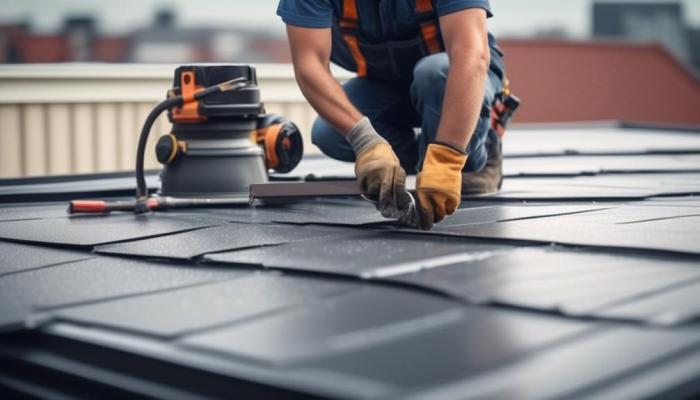
Source: allroofing.ca
In conclusion, a successful commercial flat roof installation hinges on careful material selection, precise installation techniques, and proactive project management. By understanding the nuances of each stage, from material comparisons to safety protocols and scheduling, businesses can ensure a long-lasting and cost-effective solution. The comprehensive approach detailed in this guide will empower you to navigate this complex process with confidence.