Cost of Commercial Flat Roof A Comprehensive Guide
The cost of a commercial flat roof varies significantly depending on numerous factors. This comprehensive guide delves into the key elements influencing pricing, from material selection to installation complexities. Understanding these factors is crucial for businesses planning a new or replacement flat roof.
We’ll explore different types of flat roofs, common materials, and the influence of building size, design, and location on the final price. This analysis will also examine labor costs, permitting requirements, and additional expenses like maintenance. By the end, you’ll have a clear picture of the potential expenses involved in a commercial flat roof project.
Introduction to Commercial Flat Roofs
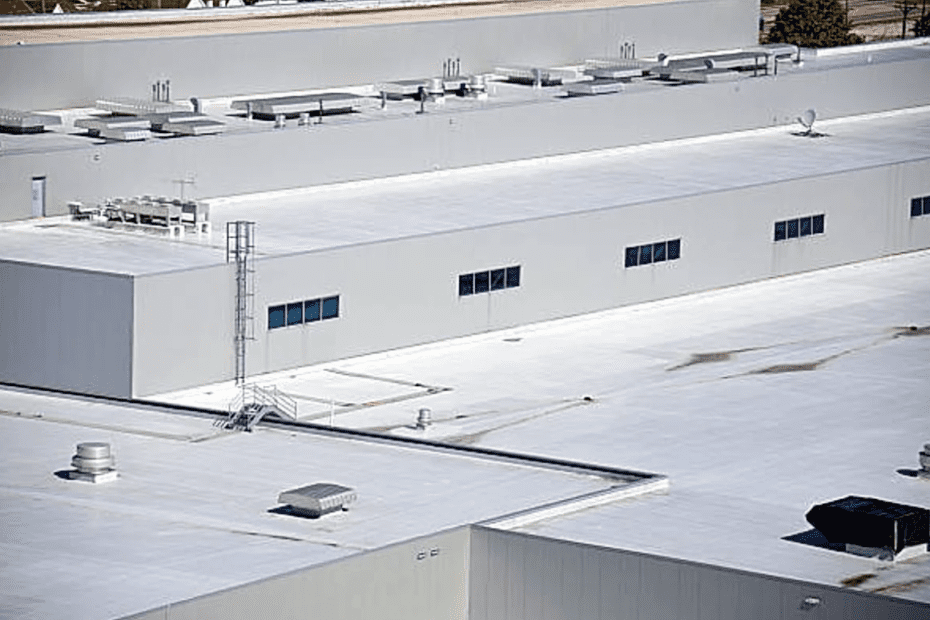
Commercial flat roofs are a prevalent roofing solution for various commercial structures, from warehouses and retail spaces to industrial facilities and parking garages. Their relatively simple design and often lower initial costs compared to pitched roofs make them an attractive option. However, the flat surface presents unique challenges related to water management and material selection.
Flat roofs are designed to minimize slope, usually less than 2%. This design, while efficient for certain applications, necessitates meticulous attention to drainage and waterproofing to prevent water pooling and damage. Choosing the right materials and installation techniques is crucial for the longevity and performance of a flat roof system.
Common Types of Commercial Flat Roofs
Flat roofs come in a variety of forms, each with its own set of characteristics. Understanding the different types aids in selecting the appropriate solution for a specific commercial project. Key variations include built-up roofs, single-ply membranes, and modified bitumen roofs. Built-up roofs are layered systems, often incorporating multiple layers of asphalt and felts. Single-ply systems, like EPDM and TPO, are comprised of a single sheet of waterproof material. Modified bitumen roofs utilize a flexible sheet material that adheres to a base layer. Each type presents unique advantages and disadvantages, particularly concerning maintenance, cost, and lifespan.
Materials Used in Commercial Flat Roofs
A variety of materials are employed in the construction of commercial flat roofs. The selection often depends on factors such as budget, desired lifespan, and environmental conditions. Common materials include modified bitumen, EPDM (Ethylene Propylene Diene Monomer), TPO (Thermoplastic Polyolefin), and PVC (Polyvinyl Chloride). Each material offers distinct characteristics, affecting its resistance to weather, cost, and longevity.
Fundamental Differences Between Flat Roof Systems
The fundamental differences between flat roof systems lie in their construction, materials, and installation methods. Built-up roofs, for example, typically consist of multiple layers of roofing felt and asphalt, while single-ply systems utilize a single sheet of waterproof membrane. The choice between these systems often hinges on factors like the building’s budget, anticipated lifespan, and local climate conditions.
Typical Lifespan of a Commercial Flat Roof System
The lifespan of a commercial flat roof system is contingent on several factors, including the chosen material, installation quality, and maintenance practices. A well-maintained modified bitumen roof can last 20-25 years, while a quality EPDM membrane might endure 30-40 years. The application of regular inspections and preventative maintenance plays a pivotal role in extending the lifespan of any flat roof system.
Cost-Effectiveness Comparison of Flat Roof Materials
| Material | Initial Cost | Maintenance Cost | Lifespan | Overall Cost-Effectiveness |
|---|---|---|---|---|
| Modified Bitumen | Moderate | Relatively Low | 20-25 years | Good, especially for budget-conscious projects |
| EPDM | Higher than Modified Bitumen | Low | 30-40 years | Excellent long-term value |
| TPO | Higher than Modified Bitumen, Lower than EPDM | Low | 25-35 years | Good balance of cost and longevity |
Note: Costs are approximate and may vary depending on specific project requirements, local labor rates, and material suppliers.
Factors Influencing Flat Roof Costs
Commercial flat roof projects involve a multitude of factors that significantly impact the final price. These factors range from the size and complexity of the building to the specific materials and labor costs involved. Understanding these variables is crucial for accurate budgeting and informed decision-making.
Several key elements contribute to the overall cost of a commercial flat roof, including the building’s dimensions, the intricacies of the design, the desired level of insulation, and the local labor rates. These elements are intertwined and influence each other in a complex way, demanding careful consideration.
Building Size and Complexity
The size and structural complexity of the building directly correlate with the cost of the flat roof. Larger buildings necessitate more materials, labor hours, and specialized equipment, thus increasing the overall project expense. A simple rectangular structure will have a significantly lower cost compared to a building with multiple levels, unusual roof shapes, or intricate architectural details. For instance, a large warehouse will require more roofing material and labor compared to a smaller retail store.
Roof Slope and Design
Roof slope, though seemingly simple, can significantly influence the cost. Flat roofs, by definition, have a very slight slope. This minimal slope, while crucial for proper water drainage, can introduce challenges in material installation and specialized equipment requirements. Moreover, complex roof designs, such as those with multiple access points or intricate shapes, require more specialized expertise and often result in higher labor costs. For example, a roof with multiple skylights or ventilation systems will demand specialized design and installation, leading to increased costs.
Roof Access Requirements
Roof access requirements, encompassing the methods and frequency of access, play a vital role in the overall cost. Rooftop access for maintenance, repair, or installation purposes may necessitate specialized equipment, like scaffolding or aerial lifts. More frequent or complex access requirements typically result in higher costs. A roof needing regular maintenance, for example, would require more robust access points, leading to higher installation and safety measures, increasing the total cost.
Roof Insulation
Roof insulation directly impacts the cost of the flat roof project. High-performance insulation, such as those with improved R-values, can improve energy efficiency and lower energy bills for the building, but this often translates to a higher upfront cost. The type and thickness of insulation used will influence the overall cost of the project. For instance, opting for thicker insulation layers, or more specialized insulation types for specific climates, will add to the material and installation costs.
Local Labor Costs
Local labor costs significantly affect the total price of the flat roof. Geographical variations in wage rates can lead to considerable differences in project costs. Areas with higher labor costs will result in a higher price for the installation phase. For instance, a flat roof project in a major metropolitan area is likely to have higher labor costs compared to a project in a rural area.
Typical Cost Range for Different Roof Sizes and Materials, Cost of a commercial flat roof
| Roof Size (sq ft) | Asphalt Roofing Material | Modified Bitumen Roofing Material | Thermoplastic Roofing Material |
|---|---|---|---|
| 1,000 | $5,000 – $8,000 | $6,500 – $10,000 | $7,500 – $12,000 |
| 2,500 | $12,000 – $18,000 | $15,000 – $25,000 | $18,000 – $30,000 |
| 5,000 | $25,000 – $40,000 | $32,000 – $55,000 | $40,000 – $70,000 |
Note: These are approximate cost ranges and may vary based on specific project requirements, complexity, and location-specific factors.
Installation and Labor Costs
Flat roof installations are significantly labor-intensive, demanding meticulous attention to detail and skilled craftsmanship. Varied complexities in the design, materials used, and site conditions all impact the final labor costs. This section delves into the factors influencing installation labor costs, providing a breakdown of the process and associated expenses.
The labor component often represents a substantial portion of the overall flat roof project cost. Accurate estimations are crucial for budget planning and ensuring a successful project. This section provides insights into the intricacies of labor costs, enabling a more informed decision-making process.
Labor-Intensive Aspects of Flat Roof Installation
Flat roof installations are labor-intensive due to the intricate nature of the work, which includes precise material application, careful adherence to building codes, and meticulous quality control measures. This is especially true for complex projects requiring specialized techniques and equipment. The specialized skills needed for this work are essential for proper waterproofing and structural integrity.
Stages of Installation and Associated Costs
Flat roof installation typically involves several distinct stages, each with its associated labor costs. These stages include:
- Site Preparation: This involves clearing the area, ensuring proper drainage, and preparing the substrate for the roofing membrane. Labor costs vary depending on the complexity of the site and the extent of preparation required. This often includes removing debris, leveling the surface, and addressing any existing issues.
- Membrane Application: This is a critical stage, demanding precision and expertise. Labor costs depend on the type of membrane used, the complexity of the design, and the size of the roof area. Factors such as the application method (e.g., torch-down, spray-applied) will significantly affect labor costs.
- Flashing and Sealants: Flashing and sealant application are essential for ensuring watertight connections and preventing leaks. Labor costs depend on the extent of flashing and sealant work required, particularly around penetrations, valleys, and other critical areas.
- Inspection and Quality Control: Throughout the process, inspections and quality control checks are crucial to ensure adherence to standards and prevent future issues. The labor costs associated with these checks are often factored into the overall project budget.
Average Hourly Rates for Qualified Roofers
Average hourly rates for qualified roofers vary significantly by region. Factors like local economic conditions, experience level, and the demand for skilled labor all contribute to the variability. For instance, a qualified flat roof installer in the northeast US might command a higher hourly rate compared to a similar professional in the Midwest.
Hourly rates for qualified flat roofers can range from $40-$80+ per hour, with experienced specialists often commanding higher rates.
Role of Specialized Equipment and Its Impact on Costs
Specialized equipment, such as specialized applicators for roofing membranes, scaffolding, and safety equipment, significantly impacts the cost of installation. The use of these specialized tools often improves efficiency and safety, but the initial investment in these tools can influence the final cost of the project.
Typical Labor Cost Breakdown for a Flat Roof Project
The table below provides a typical labor cost breakdown for a 5,000 square foot flat roof project. Note that these are estimates and actual costs may vary depending on specific conditions.
| Stage | Estimated Labor Hours | Hourly Rate (USD) | Total Labor Cost (USD) |
|---|---|---|---|
| Site Preparation | 20 | 50 | 1000 |
| Membrane Application | 80 | 55 | 4400 |
| Flashing and Sealants | 10 | 60 | 600 |
| Inspection and QC | 5 | 50 | 250 |
| Total | 115 | 6250 |
Project Management and Oversight Costs
Project management and oversight are essential for ensuring a smooth and successful flat roof installation. These costs cover tasks such as scheduling, coordination, and addressing any issues that may arise during the project. These costs can vary based on project complexity and the experience of the project manager.
Material Costs: Cost Of Commercial Flat Roof</h2>
The cost of flat roofing materials is a significant factor in overall project expenses. Different materials exhibit varying price points, durability, and lifespans, making informed choices crucial for long-term value. Understanding these factors allows for a more comprehensive budget and helps align the material selection with the specific needs and budget of the project.
Comparison of Material Costs
Various materials are used for commercial flat roofs, each with its unique characteristics affecting the overall cost. These materials range from traditional asphalt to more advanced options like modified bitumen and built-up roofing systems. The choice often hinges on factors such as desired lifespan, maintenance requirements, and the specific environmental conditions of the location.
Pricing Fluctuations
Material costs are not static. Market conditions, supply chain disruptions, and raw material price changes can influence the cost of roofing materials. For instance, a global shortage of certain components used in the manufacturing of roofing materials can drive up prices considerably. These fluctuations can impact project budgets and necessitate a proactive approach to cost management. Historical data and market analysis are vital to predict and manage potential fluctuations in material prices.
Cost Differences Based on Durability and Lifespan
The cost of a roofing material often correlates with its durability and projected lifespan. Higher-end materials, such as modified bitumen or built-up roofing systems, often come with a premium price tag but typically offer a longer lifespan and reduced maintenance needs over time. For example, a modified bitumen roof might cost more initially but could last 20-30 years, compared to an asphalt roof that might need replacement in 10-15 years.
Maintenance Considerations
While some materials might have a higher upfront cost, the long-term cost of maintenance is an important factor. Asphalt roofs, for instance, require more frequent repairs and replacements, leading to higher overall costs over time. Conversely, a built-up roof, with its layered construction, can be more resilient and require less maintenance, potentially reducing long-term expenses. It’s crucial to evaluate the total cost of ownership, factoring in both the initial cost and future maintenance expenses.
Factors Affecting Roofing Material Costs
Several factors can influence the cost of roofing materials. These include raw material prices, labor costs, transportation expenses, and demand. Fluctuations in these factors can cause price changes, and contractors and owners need to be aware of these influences.
Cost Per Square Foot for Different Flat Roof Materials
| Material | Approximate Cost per Square Foot (USD) |
|---|---|
| Asphalt | $3-$5 |
| Modified Bitumen | $5-$8 |
| Built-up Roofing (BUR) | $7-$12 |
| Thermoplastic Polyolefin (TPO) | $8-$15 |
| EPDM | $7-$12 |
Note: These are approximate costs and can vary significantly based on the specific material type, regional factors, and project specifications.
Permitting and Compliance Costs
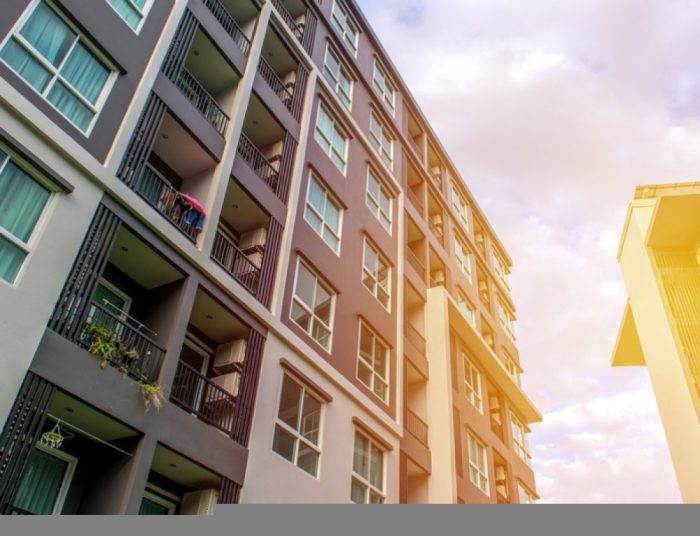
Source: coxroofing.com
Obtaining necessary permits is a crucial step in any commercial flat roof installation. Failure to comply with building codes and regulations can lead to significant penalties and delays, potentially exceeding the cost of the permit itself. Understanding these costs is essential for project planning and budgeting.
Importance of Permits for Commercial Flat Roofs
Permits ensure that flat roof installations adhere to local building codes, safeguarding public safety and property. They verify that the project meets standards for structural integrity, fire resistance, and drainage. This regulatory oversight prevents potential hazards and ensures the long-term functionality and safety of the roof. Furthermore, permits demonstrate compliance with environmental regulations, minimizing any negative impact on the surrounding area.
Typical Costs Associated with Obtaining Necessary Permits
Permitting fees vary considerably based on the jurisdiction, project specifics, and the complexity of the installation. Factors like the size of the roof, the materials used, and any special considerations (e.g., historical preservation areas) influence the fees. These costs are typically a small fraction of the total project budget but are nonetheless significant and must be factored in.
Examples of Specific Permitting Fees for Different Jurisdictions
Precise permit fees are difficult to generalize. A small, straightforward flat roof replacement in a suburban area might have a fee in the range of $500-$1,500. However, a complex installation in a densely populated urban area or a project requiring specialized inspections (like those near a historic district) could incur significantly higher fees. Contacting the local building department for specific project quotes is essential.
Potential Costs of Non-Compliance with Building Codes
Non-compliance with building codes can result in significant penalties, ranging from fines to complete project rejection. These penalties can easily exceed the cost of obtaining the necessary permits. Penalties can include hefty fines for each violation, potential legal battles, and the need for costly retrofits to bring the roof into compliance. This can substantially impact project timelines and budgets.
Typical Permitting Costs for Flat Roofs in Different Regions
| Region | Estimated Permit Fee Range (USD) | Notes |
|---|---|---|
| Suburban (single-family home) | $500 – $1,500 | Generally simpler projects with standard materials. |
| Urban (small commercial) | $1,000 – $3,000 | More complex projects, with potential for additional inspections. |
| Urban (large commercial) | $3,000 – $10,000+ | High-rise buildings or projects involving unique designs/materials often require more in-depth review and approval. |
| Historic District | $1,500 – $5,000+ | Projects in these areas frequently face stricter regulations and more stringent reviews to preserve the area’s historical character. |
Note: These figures are estimates and may vary significantly based on local regulations and project specifics. It is crucial to consult with the relevant local building department for accurate fee information.
Additional Costs
Beyond the initial material and installation costs, several other expenses can significantly impact the overall project budget for a commercial flat roof. These additional costs often arise from necessary inspections, warranties, ongoing maintenance, potential damage, and unforeseen circumstances. Understanding these factors helps project managers and business owners make informed decisions about the total investment required.
Inspection and Testing Costs
Regular inspections and testing are crucial for ensuring the structural integrity and performance of a commercial flat roof. These procedures verify adherence to building codes, identify potential issues early, and support long-term roof health. The costs vary based on the complexity of the inspection, the size of the roof, and the specific tests performed. For instance, specialized leak detection or thermal imaging inspections can increase costs. Comprehensive inspections may include visual assessments, moisture readings, and pressure testing.
Warranty and Guarantee Costs
Warranties and guarantees provide a level of protection against defects and failures in materials or workmanship. The cost of these protections is usually factored into the overall project budget, although it’s often a percentage of the total roof installation cost. Some warranties may cover specific aspects like material performance or labor, while others offer a broader scope of coverage. A longer warranty period generally translates to higher costs.
Ongoing Maintenance and Repair Costs
Regular maintenance and prompt repair of minor issues are essential for extending the lifespan of a commercial flat roof. This proactive approach can prevent larger, more costly repairs in the future. Typical maintenance activities include cleaning gutters, inspecting for debris, and addressing minor leaks promptly. Roof repairs can range from patching small holes to replacing entire sections, with associated costs varying considerably. Predictable maintenance costs, like gutter cleaning or sealant application, can be factored into annual budgets. However, unforeseen repairs, such as significant damage from storms, can lead to substantial unexpected expenses.
Potential Roof Damage or Leak Costs
Commercial flat roofs are susceptible to damage from various sources, including storms, debris, and improper maintenance. Roof leaks can lead to substantial water damage to the building interior, potentially impacting the structure, contents, and even the business operations. The cost of repair can be significant, including the cost of water remediation, structural repairs, and replacing damaged roof sections. For example, a major hailstorm can damage multiple roof sections, necessitating extensive repairs, which can be substantial and exceed the initial budget.
Cost Breakdown of Maintenance and Repair Scenarios
| Scenario | Description | Estimated Cost (USD) |
|---|---|---|
| Minor Leak Repair (Patching) | Repairing a small leak with patching and sealant | $500 – $2,000 |
| Gutter Cleaning and Debris Removal | Regular cleaning and removal of debris from gutters | $200 – $500 |
| Partial Roof Replacement (Section) | Replacement of a damaged or worn section of the roof | $5,000 – $20,000+ |
| Major Leak Repair (Extensive Water Damage) | Repairing a leak with extensive water damage, including remediation | $10,000 – $50,000+ |
| Hail Storm Damage Repair | Repairing damage from a significant hailstorm | $25,000 – $100,000+ |
Note: Costs are estimates and can vary significantly based on the specific circumstances and location.
Cost Estimation Methods
Accurately estimating the cost of a commercial flat roof project is crucial for successful budgeting and project management. Proper estimation considers various factors, including material costs, labor rates, permitting fees, and potential unforeseen expenses. Different methods exist for approximating these costs, each with its strengths and weaknesses.
Effective cost estimation for commercial flat roofs involves a systematic approach, encompassing detailed material specifications, accurate labor time assessments, and a realistic evaluation of potential challenges. The method selected should be appropriate for the project’s scope and complexity.
Methods for Estimating Costs
Several techniques are employed for estimating flat roof project costs. These methods range from simple, rule-of-thumb calculations to sophisticated software-based models. Understanding these methods and their strengths and limitations is critical for informed decision-making.
- Rule-of-Thumb Estimates: These estimations rely on established industry averages and experience. While quick and convenient, rule-of-thumb methods may not capture the unique characteristics of a specific project. For example, a simple calculation might assume a standard material cost per square foot, neglecting variations based on roof complexity or specific material choices.
- Detailed Quantity Take-Off: This method involves a meticulous assessment of all materials required, including roofing membrane, insulation, flashings, and accessories. Measurements are taken, quantities calculated, and material costs are then multiplied by those quantities. Detailed quantity take-offs offer greater precision than rule-of-thumb methods, particularly for complex projects. This method can be time-consuming, but it ensures accuracy.
- Computerized Estimating Software: Specialized software applications provide sophisticated cost estimation tools. These programs allow users to input project details, including design specifications, material choices, and labor rates. The software then generates cost estimates by considering the specifics of the project. Examples include programs that consider factors such as roof size, slope, and geographic location to provide accurate estimates.
Accuracy Comparison of Estimation Techniques
The accuracy of each estimation method varies significantly. Rule-of-thumb methods are often less accurate than detailed quantity take-offs or software-based estimates, as they may not adequately account for unique project characteristics. Detailed quantity take-offs, while more accurate, require significant time and effort, making them less practical for quick estimates. Computerized software, by integrating various factors, usually produces the most accurate estimates.
Software Examples
Numerous software programs can facilitate cost estimation for flat roof projects. These programs vary in complexity and features, but all aim to streamline the process and provide more accurate estimations. Some examples include industry-specific software packages, which often have modules specifically designed for calculating material requirements and associated costs for flat roofs.
Role of Experienced Estimators
Experienced estimators play a critical role in the cost estimation process. They leverage their knowledge of materials, labor rates, and project variables to refine estimates, identify potential cost drivers, and develop contingency plans for unforeseen circumstances. They are crucial in ensuring accurate estimations by analyzing the nuances of a project and understanding potential risks. They also provide insights to avoid costly mistakes.
Flowchart for Cost Estimation Process
A flowchart outlining the steps in a cost estimation process for a flat roof project follows:
- Project Definition: Gather project specifications, including roof dimensions, materials, and desired finish.
- Material Selection: Identify and choose appropriate roofing materials, insulation, and accessories.
- Quantity Take-Off: Measure and calculate the exact amount of each material required. This could involve using software or manual measurements.
- Labor Estimation: Determine the estimated labor hours required for installation, factoring in project complexity.
- Cost Analysis: Combine material costs, labor costs, and associated fees (permits, inspections, etc.) to derive a total estimated cost.
- Contingency Planning: Establish a contingency budget to account for potential unexpected expenses.
- Review and Approval: Review the estimate with stakeholders and obtain necessary approvals.
Final Summary
In conclusion, determining the cost of a commercial flat roof requires a thorough understanding of various factors. From the initial material selection to ongoing maintenance, the total cost encompasses diverse elements. This guide has highlighted the critical components influencing the final price, empowering businesses to make informed decisions. The key takeaway is that careful planning and detailed cost estimations are vital for any commercial flat roof project.