Home Exteriors Roofing A Comprehensive Guide
Home exteriors roofing is crucial for a home’s longevity, aesthetics, and energy efficiency. This guide explores various roofing materials, styles, and maintenance strategies, equipping you with the knowledge to make informed decisions.
From the initial selection of materials like asphalt shingles, metal, or tile, to understanding the nuances of different roofing styles (gable, hip, flat), this guide delves into the complete picture. We’ll also discuss crucial aspects like maintenance, repairs, installation, costs, energy efficiency, and environmental considerations, ensuring you have a holistic understanding of home exterior roofing.
Introduction to Home Exteriors Roofing
A home’s exterior roofing system is a critical component impacting both its structural integrity and aesthetic appeal. It safeguards the building from the elements, extending its lifespan and maintaining its value. Properly installed and maintained roofing systems protect the interior from water damage, heat, and cold, contributing to a comfortable and healthy living environment.
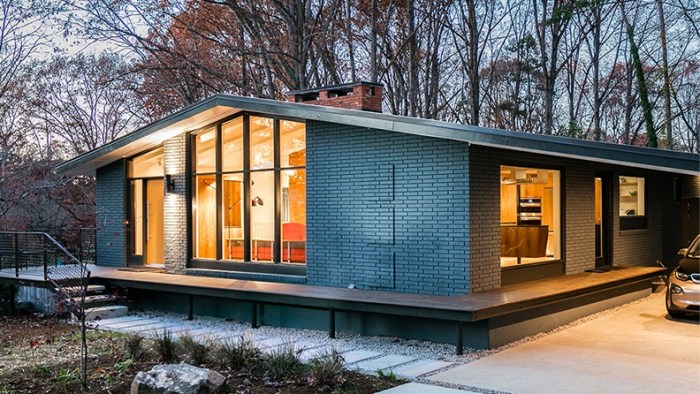
Roofing plays a crucial role in a home’s overall appearance and contributes significantly to the property’s curb appeal. The choice of roofing material directly affects the home’s visual aesthetic and can influence its market value.
Common Roofing Materials
Various materials are used for residential roofing, each possessing unique characteristics. Understanding these differences is essential for homeowners seeking to make informed decisions. Asphalt shingles, metal, and tile are prevalent options, each with its own set of advantages and disadvantages.
Factors Influencing Roofing Material Choices
Several factors play a crucial role in selecting the appropriate roofing material for a home. Climate conditions, budget considerations, and aesthetic preferences significantly influence the decision-making process. A homeowner’s budget will often dictate the type of material they can afford, with some options being significantly more expensive than others. The desired aesthetic, including color and style, should also be a key consideration. Finally, the local climate, including the amount of rainfall, snowfall, and potential for extreme temperatures, will influence the longevity and performance of the chosen roofing material.
Comparison of Roofing Materials
| Material | Pros | Cons |
|---|---|---|
| Asphalt Shingles | Relatively affordable, readily available, and easy to install. A wide array of colors and styles is commonly available. | Shorter lifespan compared to other materials, susceptible to damage from severe weather events, and may require frequent replacements. |
| Metal | Long lifespan, resistant to fire, and strong wind resistance. Energy efficiency is often a significant advantage. | Higher upfront cost, potential for noise during rain, and a less diverse range of aesthetic options. |
| Tile | Excellent durability, long lifespan, and aesthetic appeal. Strong resistance to fire and impact. | Expensive, complex installation, and susceptible to damage during transportation and installation. |
Roofing Styles and Designs
Roofing styles are a critical element in a home’s exterior design, impacting both its aesthetic appeal and its overall structural integrity. Choosing the right style involves considering various factors, including local climate, architectural preferences, and budget considerations. The selection significantly influences the home’s visual identity and longevity.
Common Roofing Styles
Different roofing styles cater to various architectural preferences and environmental conditions. Understanding these styles is essential for homeowners and architects alike to make informed decisions.
| Style | Description | Image Description |
|---|---|---|
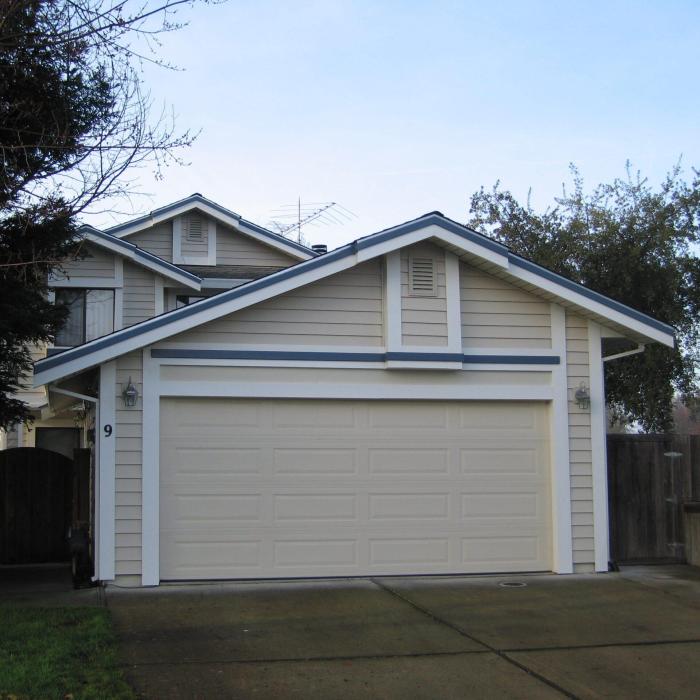
| Gable | Characterized by sloping sides that meet at a ridge, creating a triangular shape at the peak. Gable roofs are a classic and versatile style, often found in residential and commercial buildings. | Imagine a house with two sloping sides meeting at a central peak. The sloping sides form a triangular shape at the top. This design is frequently seen in houses and smaller commercial buildings. |
| Hip | A hip roof features sloping sides that meet at the peak, continuing to slope down all four sides of the roof. This style provides excellent protection against water runoff and is often associated with a more traditional or craftsman-style home. | Visualize a roof where all four sides slope downwards to a single peak. This creates a continuous sloping surface. This design is typically found in homes with a more traditional or craftsman-style appearance. |
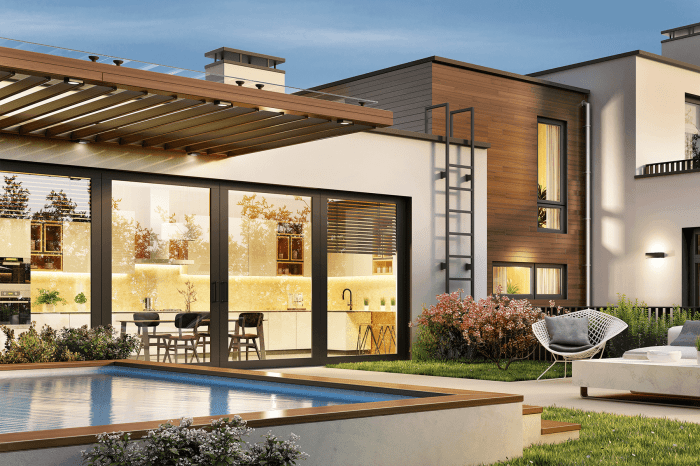
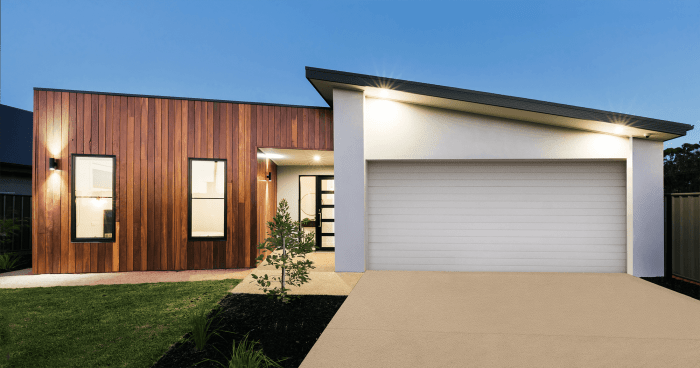
| Flat | Flat roofs are characterized by a nearly level surface. They are commonly used in modern or contemporary homes and are also seen in commercial structures. They require careful consideration of drainage systems to prevent water damage. | Envision a roof that is nearly level. This style is often used in contemporary homes and commercial buildings. |
Architectural Considerations
Several architectural considerations play a crucial role in selecting a roofing style. These include the home’s overall architectural design, the local climate, and the intended lifespan of the roof.
- Climate: Regions with heavy snowfall or frequent rainfall may benefit from steeper slopes, like gable or hip roofs, to allow for better water runoff. Flat roofs in such climates would require sophisticated drainage systems.
- Building Style: The architectural style of the home should align with the chosen roofing style. For instance, a modern home might benefit from a flat roof, while a traditional colonial home would typically feature a gable or hip roof.
- Budget: The cost of materials and installation varies significantly between roofing styles. Steeper roofs, like hip roofs, may require more materials and labor, increasing the overall project cost.
Aesthetic Impact
The chosen roofing style significantly impacts the overall aesthetic of a home. It contributes to the house’s visual appeal and reflects the homeowner’s preferences.
- Visual Appeal: The visual appeal of the home can be greatly enhanced or diminished by the chosen roofing style. A well-chosen style can complement the existing architecture, creating a harmonious and visually appealing structure.
- Curb Appeal: The first impression of a house is greatly influenced by the roofing design. A stylish roof can significantly improve curb appeal, enhancing the home’s market value and overall attractiveness.
- Architectural Harmony: The chosen roofing style should seamlessly integrate with the home’s overall architectural design. A mismatch can create a jarring effect and detract from the home’s aesthetic appeal.
Roofing Maintenance and Repairs
Source: advancedhomeexteriorwi.com
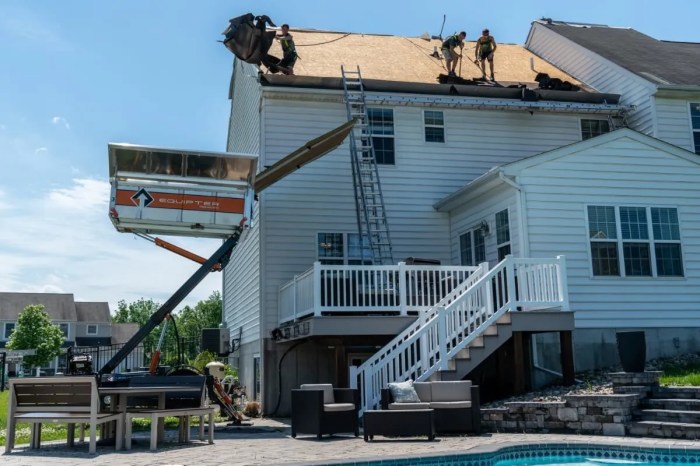
Regular roofing maintenance is crucial for the longevity and performance of your home’s exterior. Proper care can significantly extend the lifespan of your roof, preventing costly repairs and ensuring the structural integrity of your home. Ignoring maintenance can lead to premature deterioration, increasing the risk of leaks, water damage, and structural problems.
Importance of Regular Maintenance
Regular inspections and maintenance tasks are vital for preventing costly repairs and protecting your home. Prompt attention to minor issues can prevent them from escalating into major problems. A well-maintained roof not only safeguards your property from the elements but also enhances its aesthetic appeal.
Common Signs of Roofing Damage
Identifying signs of roofing damage early is essential for timely repairs. Look for visible cracks, missing or damaged shingles, unusual discoloration, or signs of water pooling around the edges of the roof. A thorough inspection should also involve checking for signs of moss or algae growth, as these can contribute to premature deterioration. Inspecting the flashing around chimneys, vents, and other protrusions is critical, as leaks often originate from these vulnerable areas.
Preventative Maintenance Tasks
A proactive approach to maintenance is key to preventing significant issues. Regular inspections are essential. This involves checking for missing or damaged shingles, loose nails, and signs of wear and tear. Cleaning the gutters and downspouts is also crucial to prevent water from accumulating around the roof’s edges, potentially causing leaks. Inspecting the flashing and seals around chimneys, skylights, and other penetrations is a vital part of the process, ensuring water doesn’t seep into the structure. In colder climates, checking for ice dams and ensuring proper ventilation is essential.
Basic Roofing Repair Guide
A basic understanding of common roofing repairs empowers homeowners to address minor issues promptly. This section provides a step-by-step guide for simple repairs. For instance, replacing a few missing shingles can prevent a leak from developing. Addressing minor issues before they escalate can save you significant costs in the long run.
Procedures for Dealing with Common Roofing Issues
A systematic approach to addressing common issues is essential. For example, a leak might indicate a damaged shingle or flashing. A thorough inspection is needed to pinpoint the exact cause. Once the source of the leak is identified, the appropriate repair can be implemented. Missing shingles should be replaced immediately to prevent further damage. Addressing leaks promptly is vital to avoid further water damage to the roof structure, interior walls, and ceilings. If the damage is extensive, professional assistance is strongly recommended. A professional inspection and repair can save you from significant structural damage. Always follow manufacturer recommendations for specific repair procedures.
Roofing Materials and Installation: Home Exteriors Roofing
Source: oakcrestroofing.com
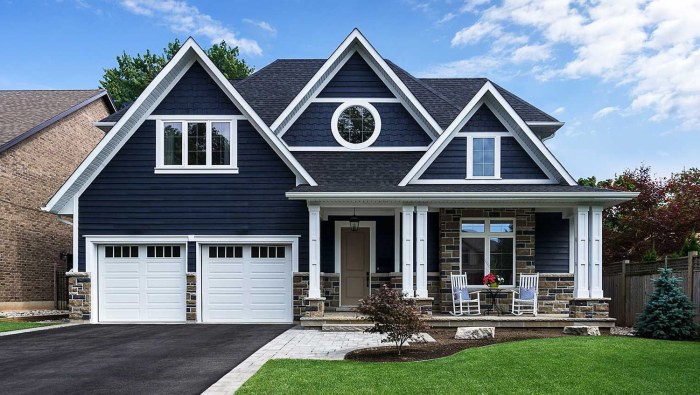
Proper roofing installation is crucial for the longevity and structural integrity of a home. Choosing the right materials and employing meticulous installation techniques are paramount to a successful project. The process involves careful consideration of factors such as climate, budget, and aesthetic preferences. Correct installation ensures the roof effectively protects the building from the elements and maintains its value.
Installation Processes for Various Roofing Materials
Different roofing materials require specific installation methods. Asphalt shingles, for instance, typically involve overlapping layers to ensure watertightness. Metal roofing, on the other hand, may require specialized fasteners and flashing to seal joints and prevent leaks. Tile roofing, often used in architectural designs, necessitates precise placement and mortar application for a durable and aesthetically pleasing finish. Each process has specific steps and considerations.
Installation Techniques for Different Roofing Types
A crucial aspect of roofing installation is the specific techniques employed. For asphalt shingles, careful nailing and proper overlapping are essential to prevent water penetration. Metal roofing frequently involves the use of specialized fasteners, flashings, and sealants to ensure weatherproofing. Tile roofing installation demands precision in mortar application and tile placement to maintain structural integrity and prevent gaps. These techniques are crucial for a watertight and durable roof.
Tools and Equipment for Roofing Installation
The appropriate tools and equipment are vital for efficient and safe roofing work. Installing asphalt shingles requires tools like roofing nails, a nail gun, and a shingle cutter. Metal roofing necessitates specialized tools like metal snips, rivets, and sealant applicators. Tile roofing installations often require specialized tools for handling and positioning tiles, along with mortar tools. A comprehensive tool kit is essential for every installation type.
- Asphalt Shingles: A nail gun is indispensable for secure attachment. A shingle cutter is necessary for trimming and sizing. Roofing hooks and a stepladder are required for safe work positioning.
- Metal Roofing: Specialized metal snips, rivet guns, and sealant applicators are crucial for accurate cuts, secure fastening, and weatherproofing. Metal roofing also requires appropriate safety equipment, such as fall protection.
- Tile Roofing: Tile-handling tools, mortar tools, and specialized tile cutters are essential. Safety equipment like harnesses and fall protection systems is paramount.
Safety Considerations During Roofing Work, Home Exteriors Roofing
Roofing work inherently involves height and potential hazards. Prioritizing safety is paramount. Workers should always use appropriate fall protection equipment, including harnesses and safety lines. Protective gear, such as eye protection and work gloves, is necessary to safeguard against debris and sharp objects. Weather conditions, including strong winds or rain, can significantly impact safety. Thorough safety protocols are critical for both the installer and the property.
Role of Licensed Contractors in Roofing Installation
Licensed contractors bring expertise and accountability to roofing projects. They possess the necessary knowledge and experience to handle various roofing materials and installation techniques. Licensed contractors ensure compliance with building codes and regulations, guaranteeing the structural integrity and longevity of the roof. Their experience minimizes risks and maximizes the project’s quality.
Cost and Budget Considerations for Roofing
Source: theroofingco.com
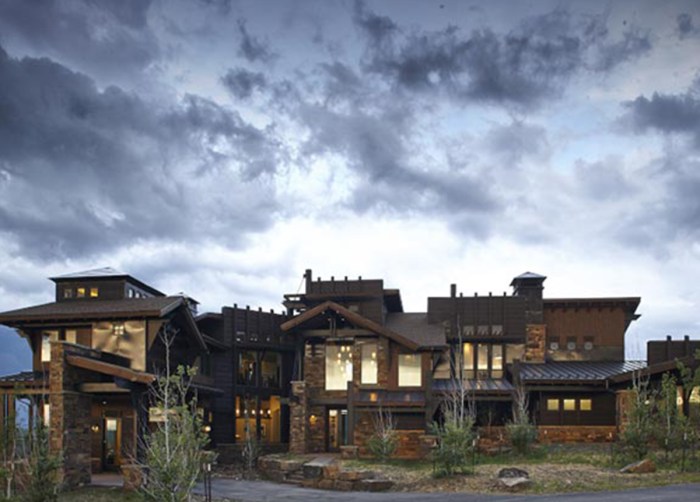
Planning a new roof or major repairs requires careful consideration of costs. Understanding the factors influencing prices, material variations, and labor expenses is crucial for creating a realistic budget. A comprehensive approach to cost analysis helps homeowners make informed decisions and avoid potential surprises.
Accurate cost estimates allow for better financial planning and aid in selecting the most suitable roofing option for the specific needs and budget of a property. The following sections detail the key aspects of roofing cost considerations, providing valuable insights for homeowners and contractors alike.
Factors Influencing Roofing Costs
Several factors contribute to the overall cost of a roofing project. These factors include material type, complexity of the roof structure, geographic location, and labor rates. The specific roof design, including any unique features or architectural details, will also affect the overall price. Furthermore, the condition of the existing roof and the need for any additional work (e.g., chimney flashing repairs, gutter replacement) will affect the final price.
Material Costs for Different Roofing Options
Material costs vary significantly based on the type of roofing material selected. Asphalt shingles, a popular and relatively affordable option, have varying price points depending on the shingle type (e.g., 3-tab, architectural, laminated). Metal roofing, often more durable and energy-efficient, can have higher upfront costs but may offer long-term savings. Tile roofing, a premium option known for its aesthetic appeal and longevity, tends to be the most expensive.
Labor and Installation Costs
Labor costs represent a significant portion of the total roofing project budget. Factors like the roof’s complexity, accessibility (e.g., steep slopes or difficult-to-reach areas), and the required labor hours will affect the installation costs. Experienced roofing contractors are often more expensive but can ensure quality workmanship and adherence to building codes, ultimately impacting the total cost.
Cost-Effectiveness of Roofing Solutions
The cost-effectiveness of different roofing options should be assessed considering the upfront costs and potential long-term savings. While asphalt shingles may have a lower initial price, their lifespan and maintenance needs should be factored into the overall cost-effectiveness. Metal roofing, despite its higher initial cost, can save on long-term maintenance and energy bills due to its durability and insulation properties. Tile roofing, with its superior longevity, can be the most cost-effective option in the long run. Ultimately, the most cost-effective solution depends on the specific needs and circumstances of each project.
Estimated Costs for Different Roofing Projects
This table provides a general estimate of costs for different roofing materials, not a precise calculation. Local factors (material availability, labor rates, and demand) will influence the actual cost. Remember that these are only estimates.
| Material | Installation Cost (per square) | Total Cost (per square) |
|---|---|---|
| Asphalt Shingles | $50 – $100 | $100 – $200 |
| Metal | $150 – $250 | $250 – $400 |
| Tile | $200 – $350 | $400 – $600 |
Energy Efficiency and Roofing
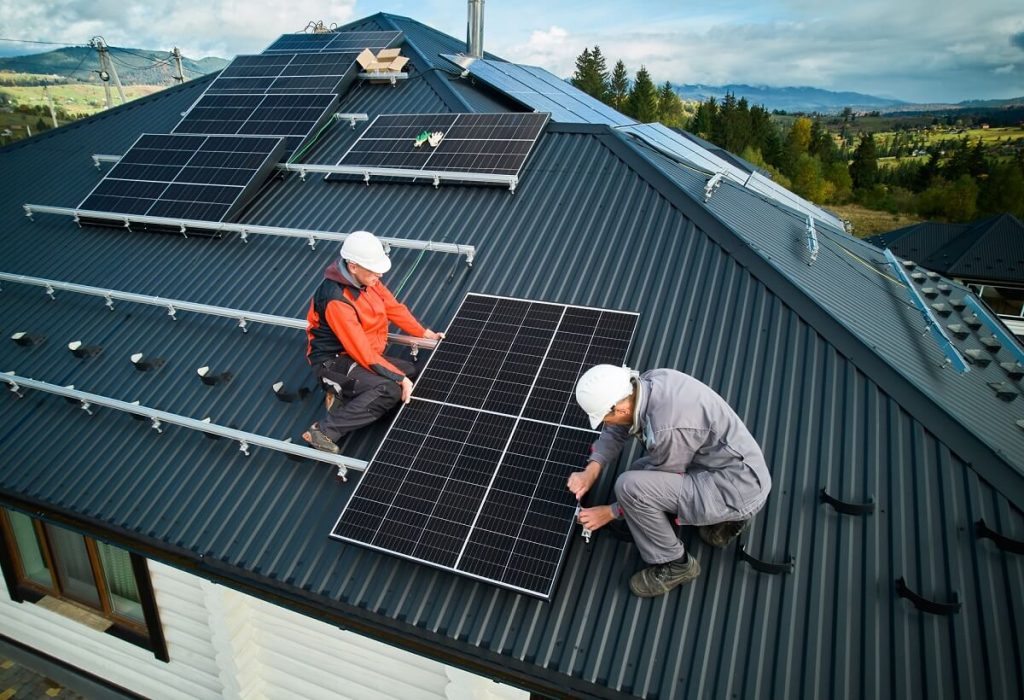
Roofing choices significantly impact a home’s energy efficiency, influencing heating and cooling costs. A well-designed and properly installed roof can minimize energy loss and maximize comfort. This section explores the crucial role of roofing in energy conservation.
The relationship between roofing materials, insulation, and energy efficiency is multifaceted. The right combination can lead to substantial savings on utility bills, while poor choices can result in higher costs. Understanding these factors is vital for homeowners seeking to create a sustainable and comfortable living space.
Impact of Roofing Choices on Energy Efficiency
Roofing materials have varying thermal properties, impacting heat gain and loss. Darker materials absorb more solar radiation, leading to higher interior temperatures and increased cooling needs. Conversely, lighter materials reflect more solar energy, helping maintain a cooler interior, thereby reducing cooling demands. The selection of roofing material is therefore crucial in managing temperature fluctuations within the home.
Role of Insulation in Roofing Systems
Roof insulation plays a pivotal role in energy efficiency. It acts as a barrier, preventing heat transfer between the interior and exterior of the home. Properly installed insulation within the roof structure reduces energy loss in winter and heat gain in summer. Effective insulation significantly contributes to overall energy efficiency. The R-value of insulation measures its resistance to heat flow. Higher R-values correspond to better insulation, leading to reduced energy consumption. Adequate insulation significantly lowers heating and cooling costs.
Comparison of Roofing Materials’ Energy Efficiency
Different roofing materials exhibit varying energy efficiency characteristics. For example, asphalt shingles, a common material, have a relatively lower R-value compared to insulated metal roofing. Metal roofing, with its reflective properties, generally offers better insulation, reducing energy loss and contributing to better energy efficiency. Certain types of tile roofing, especially those with added insulation layers, also show improved energy efficiency. The choice of material should be carefully considered about local climate conditions and energy efficiency goals.
Impact of Roofing on Heating and Cooling Costs
Energy-efficient roofing directly affects heating and cooling costs. A well-insulated roof system can drastically reduce the energy needed for heating and cooling. For example, a home with an energy-efficient roof may see a 15-20% reduction in heating and cooling expenses over time compared to a home with a less efficient roof. This difference in energy consumption directly translates into substantial cost savings for homeowners. The return on investment for energy-efficient roofing often exceeds the initial cost over the roof’s lifespan.
Recommendations for Energy-Efficient Roofing Solutions
Choosing energy-efficient roofing involves several key considerations. First, opt for roofing materials with high solar reflectivity (low solar absorptance). Second, ensure adequate insulation within the roof structure. Third, consider advanced roofing technologies like radiant barrier insulation to further reduce energy loss. These measures contribute to significant energy savings. Consulting with a qualified roofing contractor is crucial to ensure proper installation and optimal performance of the energy-efficient roofing system. Proper ventilation is also vital, ensuring that the roof doesn’t trap heat or moisture.
Roofing and Environmental Considerations
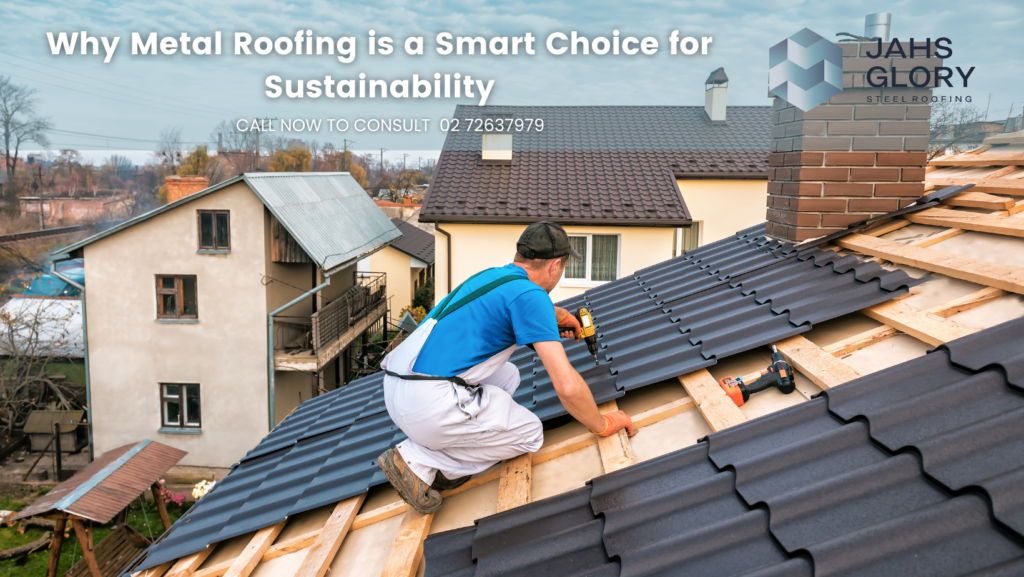
Choosing roofing materials with an awareness of their environmental impact is becoming increasingly important. Consumers are more conscious of the lifecycle of products and their effect on the planet. This section examines the environmental footprint of various roofing options, emphasizing sustainable practices and responsible disposal.
Modern roofing materials offer a range of options, each with unique environmental characteristics. The selection process needs to consider the material’s source, manufacturing process, energy consumption during production, and potential for recycling or reuse. This section will detail the environmental impact of various roofing materials and highlight sustainable choices.
Environmental Impact of Roofing Materials
Different roofing materials have varying degrees of environmental impact. Factors such as the material’s extraction, manufacturing processes, and end-of-life disposal significantly influence the overall footprint. For example, materials derived from fossil fuels contribute to carbon emissions throughout their lifecycle. Conversely, materials sourced from renewable resources and produced with minimal energy consumption leave a smaller ecological footprint.
Sustainability of Roofing Options
Roofing materials’ sustainability is a key aspect of environmental responsibility. A truly sustainable roofing option minimizes the environmental impact at each stage of its lifecycle, from raw material extraction to product disposal. This includes considering factors like the material’s durability, recyclability, and potential for reuse. The choice of a sustainable roofing material can have a substantial positive effect on the environment.
Responsible Disposal of Roofing Materials
Proper disposal of roofing materials is crucial for minimizing environmental harm. Improper disposal can lead to material contamination of soil and water resources. Roofing materials, particularly those containing hazardous substances, require specific handling and disposal procedures to prevent environmental damage. Specialized recycling facilities are often available for certain roofing materials, and their use should be prioritized. These facilities ensure that roofing materials are processed safely and responsibly, preventing potential environmental contamination.
Environmental Benefits of Sustainable Roofing
Choosing sustainable roofing options offers numerous environmental advantages. These benefits extend from reduced carbon emissions and minimized waste generation to enhanced biodiversity and improved air quality. By opting for sustainable roofing, homeowners contribute to a more environmentally friendly construction process. This choice also contributes to a healthier environment for future generations.
Eco-Friendly Roofing Materials
- Recycled Materials: Recycled materials, such as recycled asphalt shingles or metal roofing scraps, significantly reduce the demand for virgin materials. The use of recycled materials in roofing minimizes the environmental impact of manufacturing and reduces the amount of waste sent to landfills.
- Plant-Based Materials: Plant-based roofing options, like certain types of organic shingles, offer a renewable alternative to conventional materials. These materials are often derived from agricultural byproducts, further reducing the environmental footprint. Their biodegradable nature also contributes to responsible waste management.
- Metal Roofing: Metal roofing, particularly that made from recycled materials, exhibits remarkable longevity and recyclability. This durability minimizes the need for frequent replacements, reducing the overall environmental impact associated with the production and disposal of new roofing materials. The recyclability of metal further reinforces its environmental friendliness.
- Clay Tiles: Clay tiles are often sourced locally, reducing transportation-related emissions. The materials are naturally occurring and, when properly handled, can be recycled at the end of their lifespan.
- Slate Roofing: Slate, while not necessarily plant-based, often utilizes naturally occurring materials with a low environmental impact during extraction. The durability and longevity of slate roofing contribute to lower overall lifecycle costs and reduced waste.
Concluding Remarks
In conclusion, choosing the right roofing solution for your home is a significant undertaking. This guide has provided a comprehensive overview of home exteriors roofing, covering everything from material selection and installation to maintenance and cost considerations. By carefully considering the factors discussed, you can make an informed decision that aligns with your budget, aesthetic preferences, and environmental values. Remember, proper maintenance and timely repairs are key to a long-lasting and well-performing roof.